
Welcome to PixelVerse
Exploring the golden era of pixel games from 90s-2000s Australia
Explore GamesAbout PixelVerse
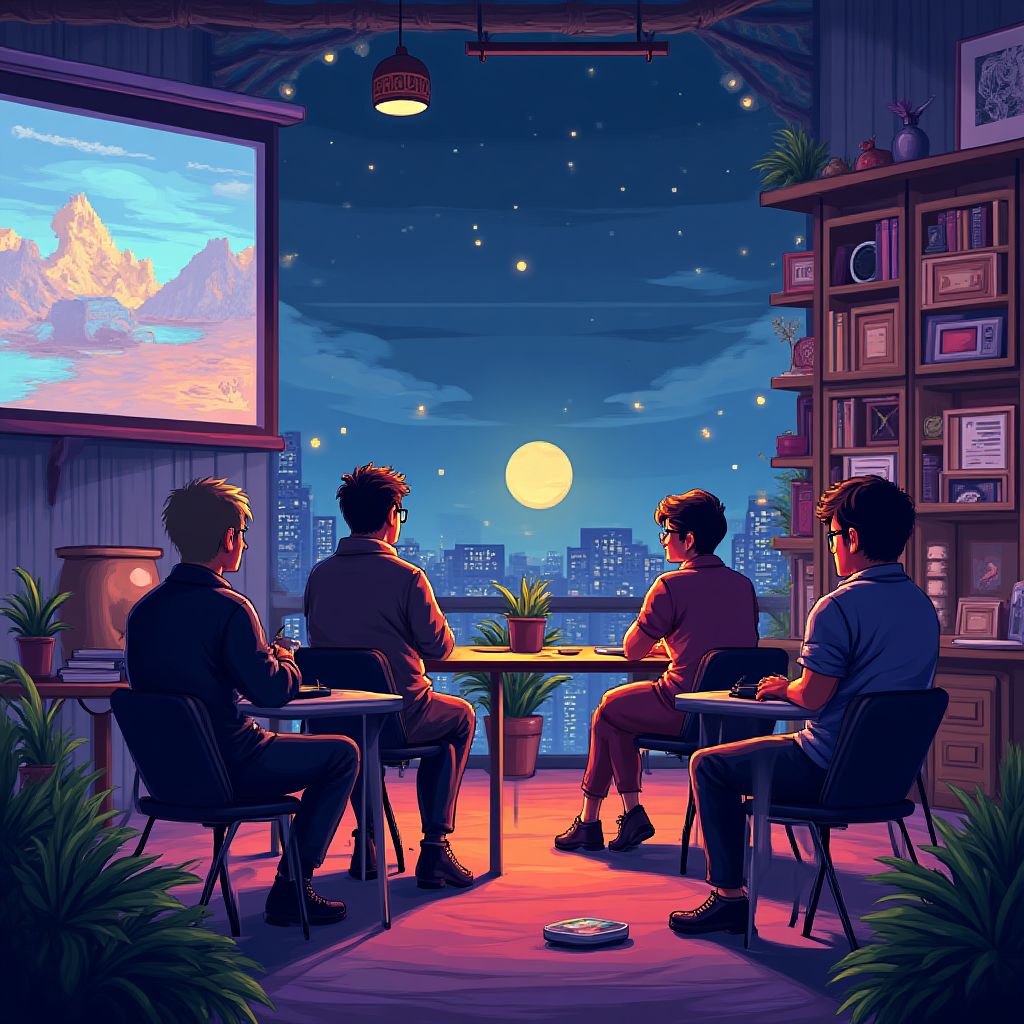
PixelVerse is dedicated to preserving and celebrating Australia's unique contribution to the golden era of pixel gaming during the 1990s and early 2000s. Our portal serves as a digital museum where gaming enthusiasts can explore the distinctive visual styles, innovative gameplay mechanics, and fascinating stories behind the developers who shaped Australia's gaming landscape.
Founded by a group of passionate retro gaming collectors in 2010, we've spent over a decade documenting Australia's gaming heritage. Our extensive archive includes rare interviews with pioneering developers, high-resolution captures of original pixel art, and meticulously documented gameplay footage that showcases the evolution of game design in the Australian context.
Whether you're a nostalgic gamer revisiting your childhood favorites or a gaming historian interested in regional game development histories, PixelVerse offers an authentic journey through time with our carefully curated content and community events.
Learn MoreAustralian Gaming Legacy

350+
Documented Australian Pixel Games

120+
Australian Game Development Studios
20+
Years of Gaming History
15+
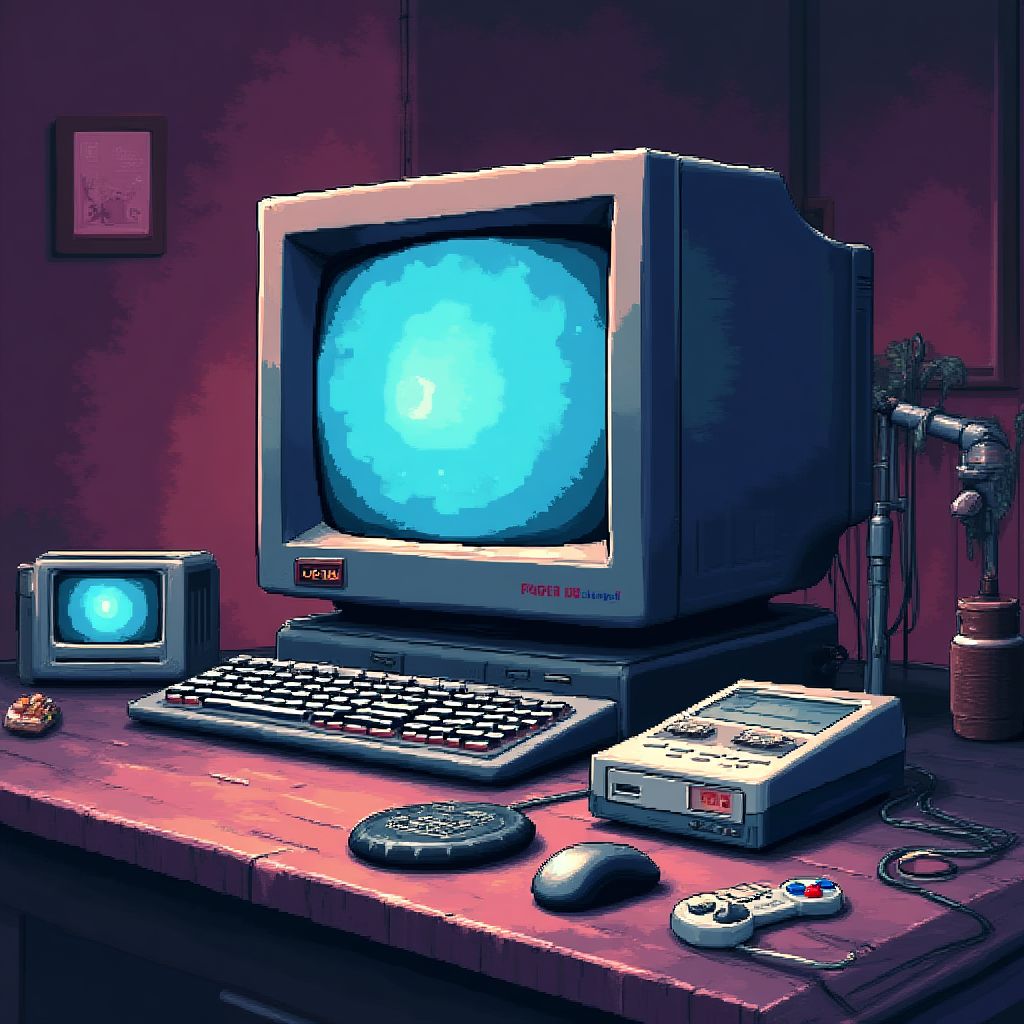
Gaming Platforms Covered
Iconic Australian Pixel Games

Ty the Tasmanian Tiger
2002
One of Australia's most beloved gaming exports, featuring iconic Australian wildlife and landscapes rendered in charming pixel art. Developer Krome Studios created a uniquely Australian platforming adventure that gained international recognition.
Shadowrun
1993
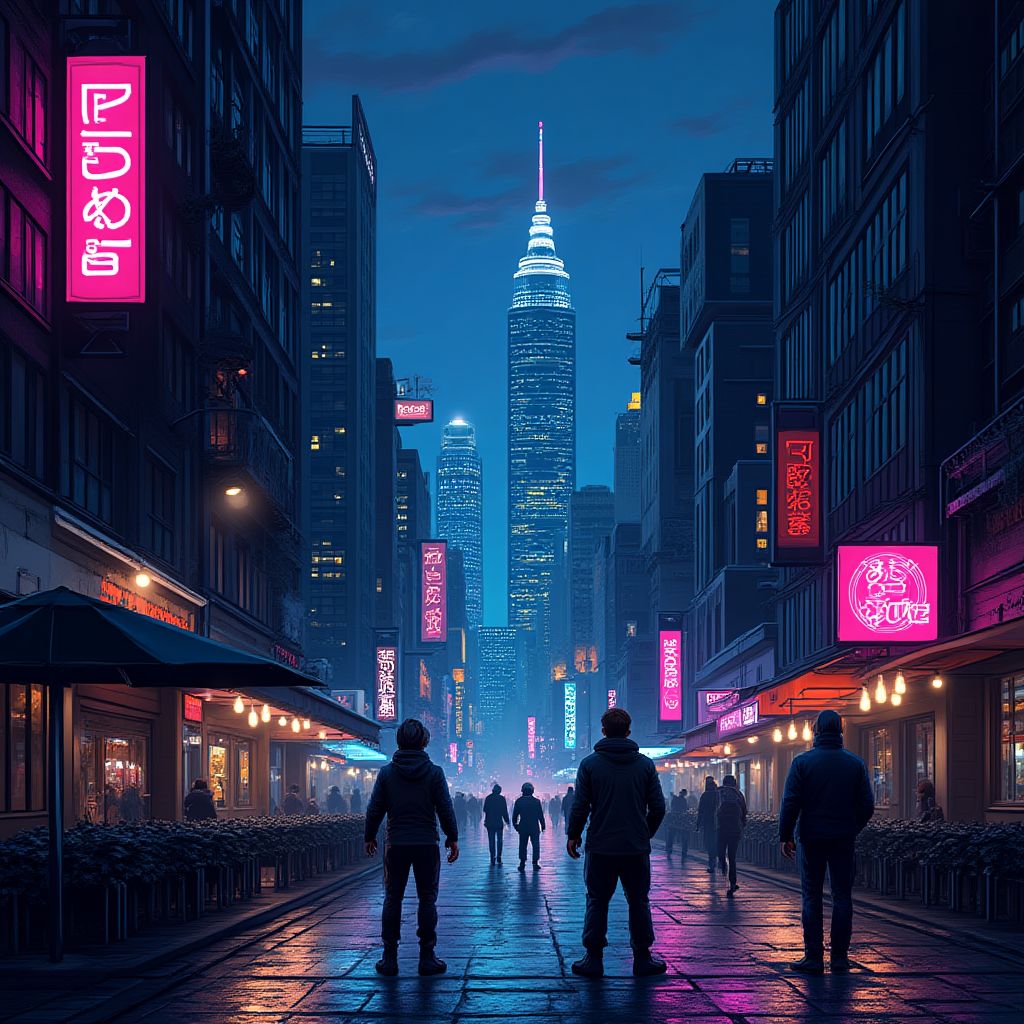
Developed by Melbourne-based Beam Software, this SNES classic reimagined cyberpunk Melbourne in detailed pixel art. The game combined RPG elements with action gameplay and featured a distinctly Australian take on the cyberpunk genre.
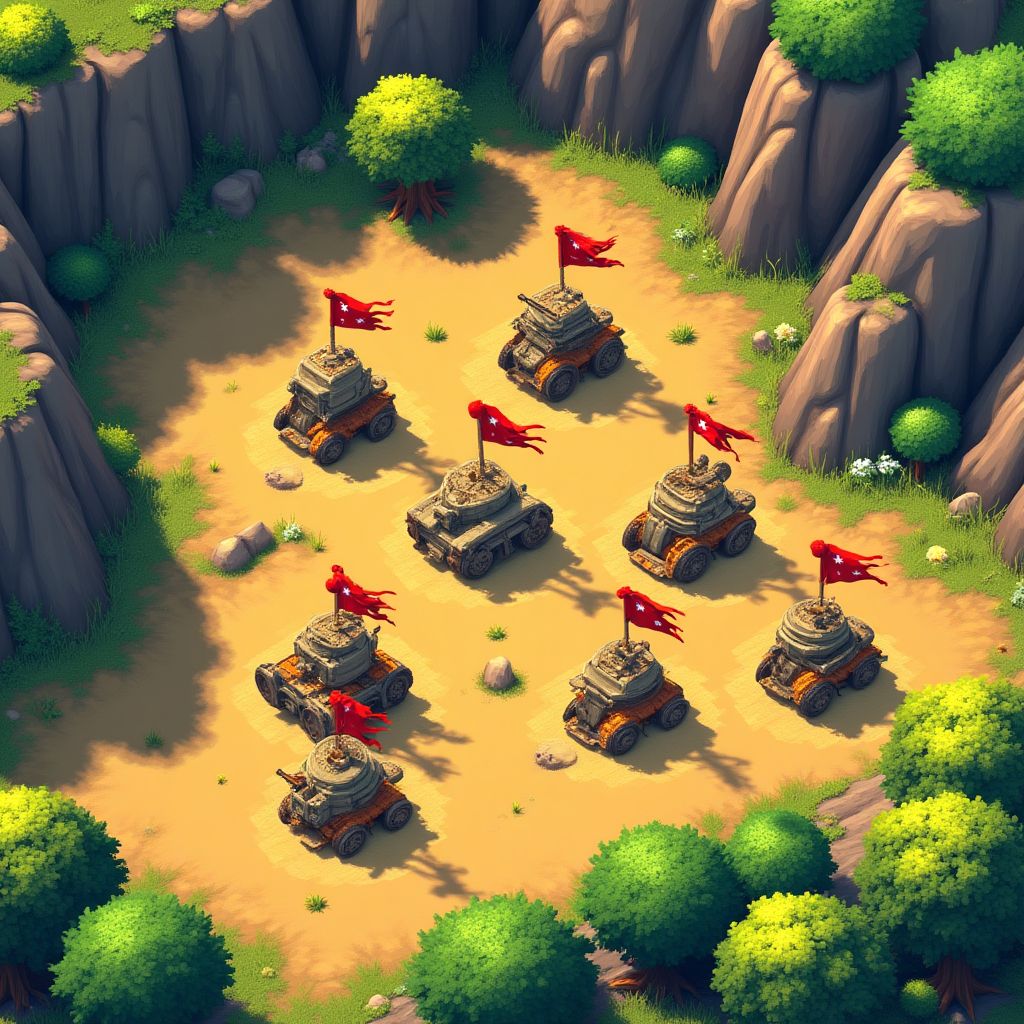
Fortress
1995
A strategic gem from Sydney-based Strategic Studies Group, featuring intricate pixel art battle scenes. The game showcased Australia's contribution to the strategy genre with innovative gameplay mechanics and detailed sprite work.
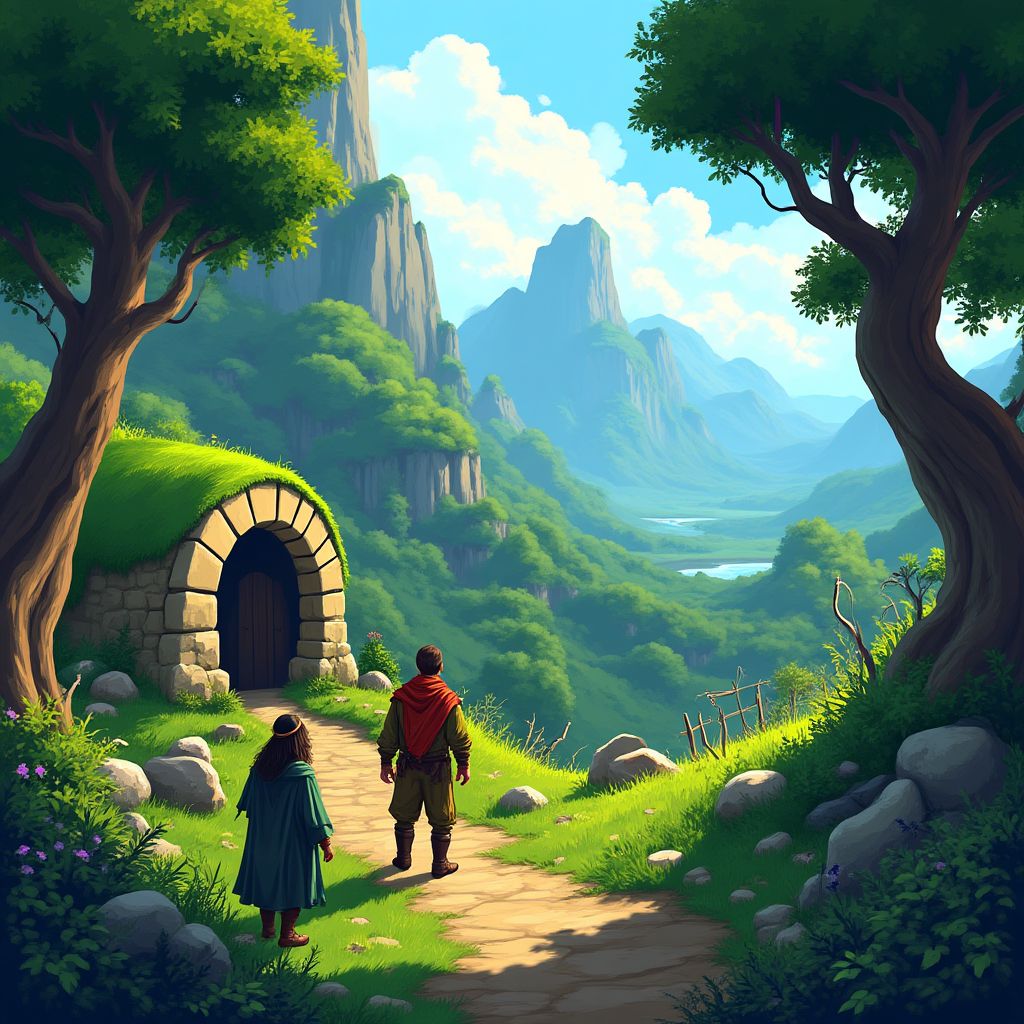
The Hobbit
1991
Melbourne House's adaptation brought Tolkien's world to life through innovative pixel art. This adventure game showcased Australian developers' ability to create immersive narrative experiences with the limited graphical capabilities of early 90s systems.
Legendary Australian Developers
Beam Software / Melbourne House
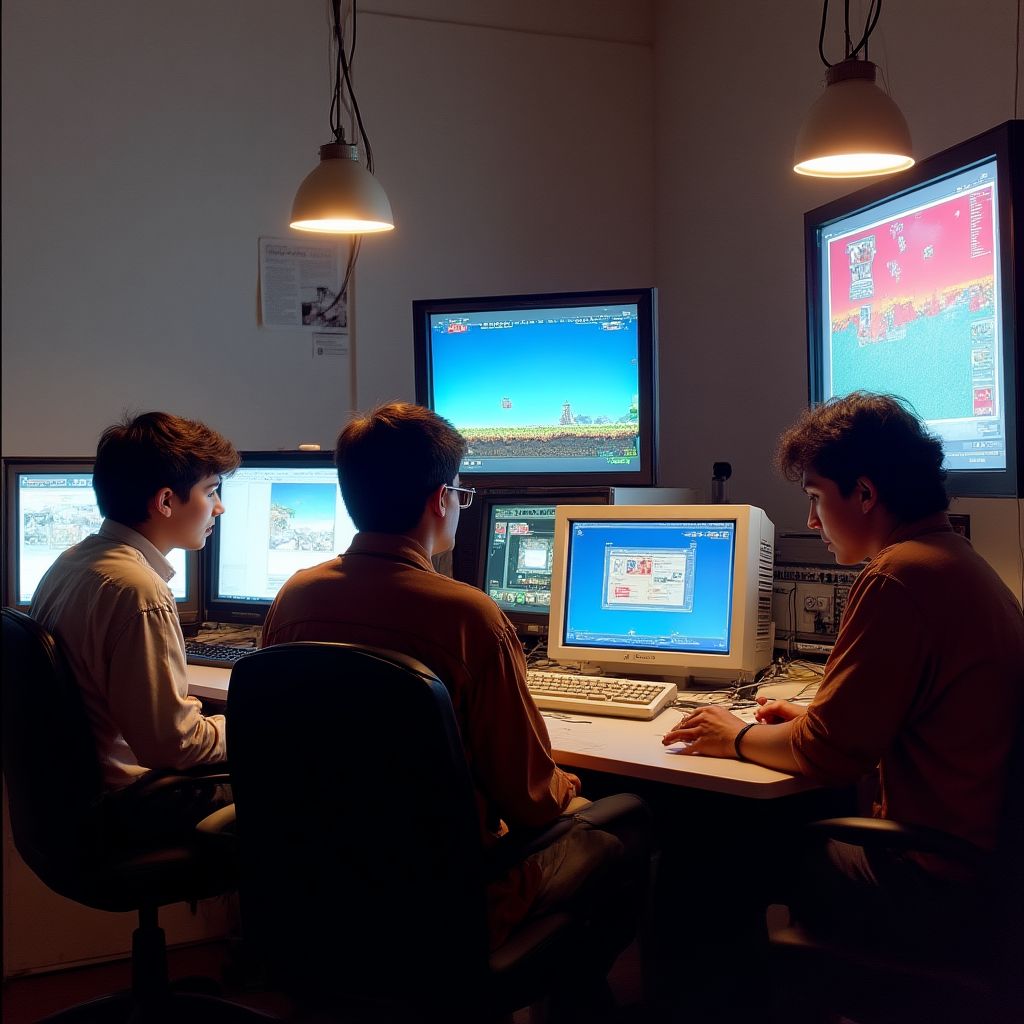
Founded in 1980, Beam Software (later Melbourne House) was Australia's pioneering game development studio. Their groundbreaking work on titles like "The Way of the Exploding Fist" and "Shadowrun" established Australia on the global gaming map. The team was known for pushing the technical boundaries of early home computers and consoles while maintaining distinctive pixel art styles.
The studio's unique approach to game development combined technical innovation with distinctive Australian humor and storytelling, creating games that stood out in the international market. Their legacy continues to influence modern Australian game development.
Krome Studios
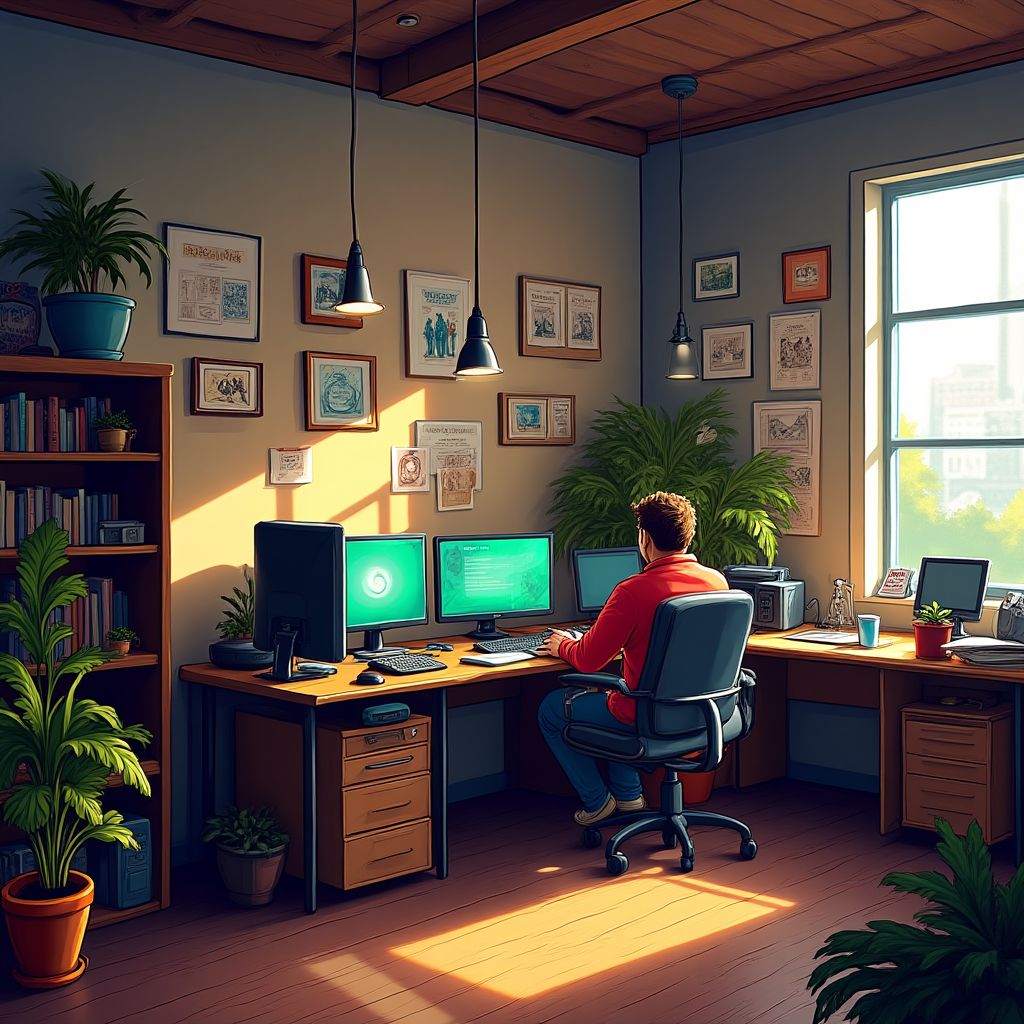
Founded in 1999, Brisbane-based Krome Studios became Australia's largest game developer during the early 2000s. Their most celebrated creation, "Ty the Tasmanian Tiger," showcased uniquely Australian characters and environments through colorful and distinctive pixel art that captured the essence of the Australian outback.
At their peak, the studio employed over 400 developers and was known for their technical expertise in creating visually striking games that showcased Australian culture and wildlife. Their commitment to quality pixel art and animation set new standards for game visuals in Australia.
Strategic Studies Group
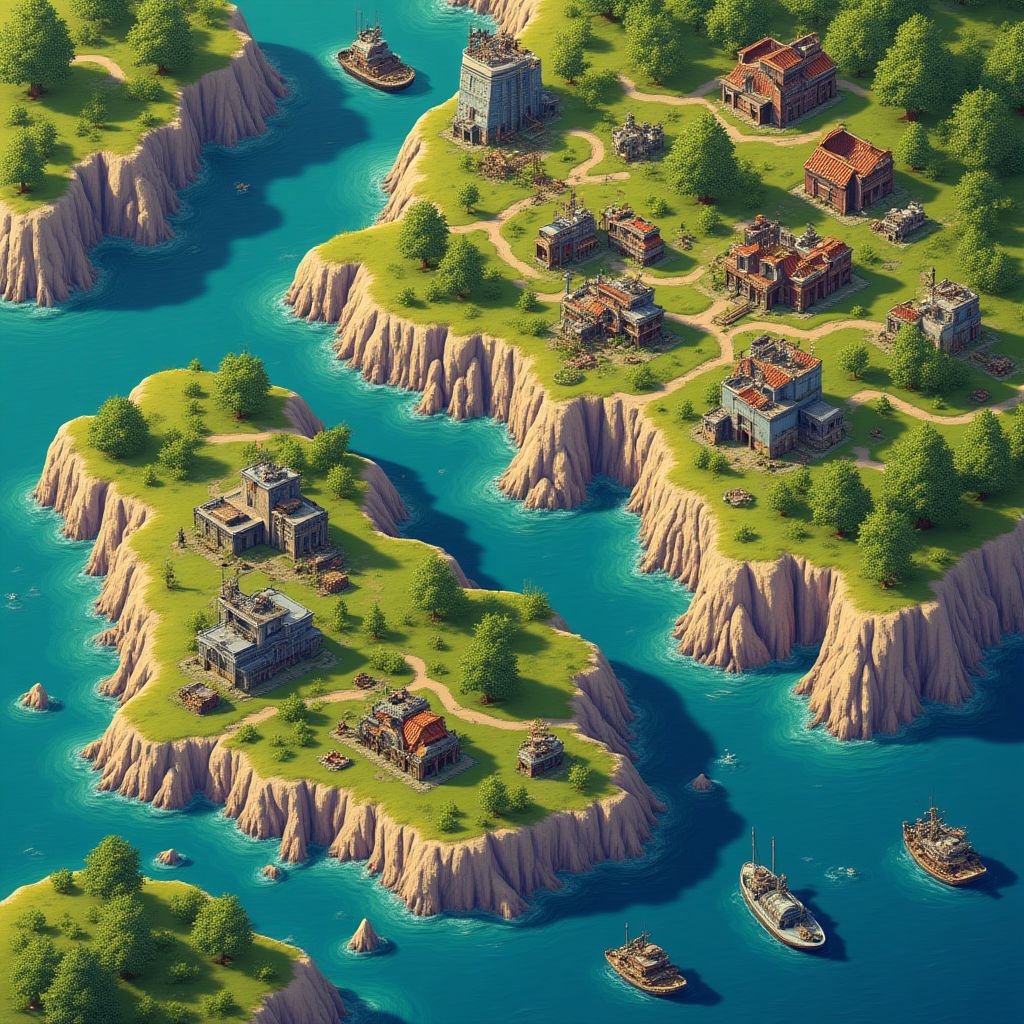
Sydney-based Strategic Studies Group (SSG) specialized in creating deeply complex strategy games during the 1990s. Led by Roger Keating and Ian Trout, the studio became internationally renowned for titles like "Warlords" and "Reach for the Stars" that featured intricate pixel art maps and unit designs.
SSG's approach to pixel art was functional yet distinctive, creating clear visual language for complex strategy gameplay while maintaining aesthetic appeal. Their attention to detail in sprite work and user interface design influenced a generation of strategy game developers worldwide.
Game Case Studies

Halloween Harry: The Evolution of Australian Pixel Art
An in-depth exploration of how SubZero Software created one of Australia's earliest international pixel art successes. Halloween Harry (later Alien Carnage) demonstrated innovative sprite animation techniques and pushed the boundaries of PC color palettes in the early 90s.
Our case study includes exclusive interviews with the original artists, never-before-seen concept art, and a technical breakdown of how the game achieved its smooth animations despite the hardware limitations of the era.
Read Case Study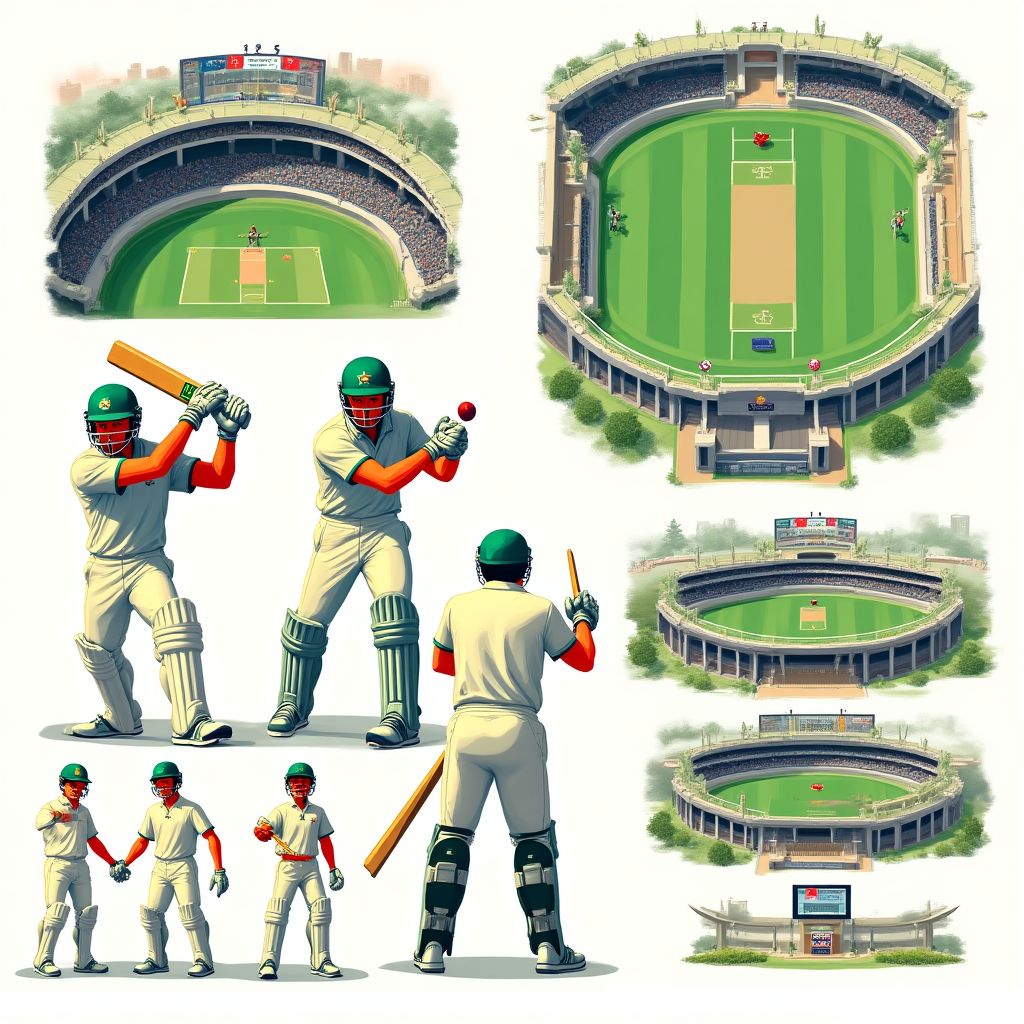
Cricket 97: Sporting Pixel Art Excellence
Melbourne House's Cricket 97 represented a pinnacle of Australian sports game development, featuring meticulously detailed sprite work of cricket players and stadiums. This case study examines how the developers achieved realistic animations within the severe memory constraints of mid-90s systems.
We analyze the innovative compression techniques used to fit detailed player sprites into limited memory, and how the art team created recognizable pixel versions of famous Australian cricketers that fans could identify at extremely low resolutions.
Read Case Study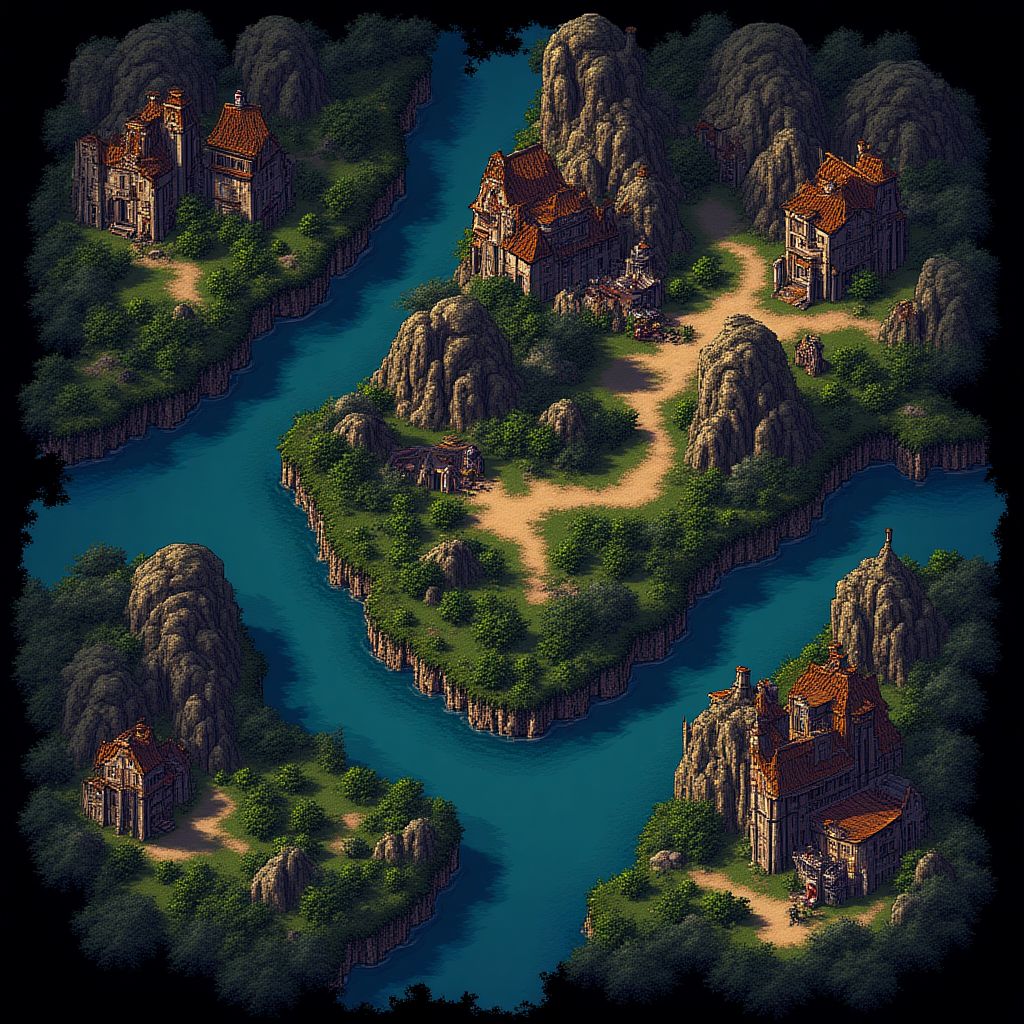
Dark Reign: Technical Achievement in RTS Visuals
Brisbane-based Auran's Dark Reign pushed real-time strategy visuals forward with detailed isometric pixel environments and unit designs. This technical deep-dive explores how the Australian team created a distinctive visual style that stood apart from international competitors.
Our analysis includes exclusive sprite sheets showing how the artists created the illusion of 3D depth using purely 2D techniques, custom tools developed for the project, and comparisons with contemporary international RTS titles to highlight the unique Australian approach.
Read Case StudyRetro Gaming Resources

Australian Videogame Archive
The official preservation project for Australian gaming history, featuring rare interviews and gameplay footage.
Explore Archive
Retro Games Museum
Sydney's physical collection of Australian gaming history with playable exhibits from the golden era.
Visit Museum
Pixel Art Tools
Modern tools that recreate the constraints and aesthetics of 90s pixel art creation.
Discover Tools
Aussie Retro Gaming Forum
Connect with collectors, developers, and historians preserving Australian gaming heritage.
Join CommunityWhat Gamers Say

"PixelVerse has uncovered rare development materials from Australia's gaming past that I couldn't find anywhere else. Their technical analysis of sprite techniques used in early Melbourne House games changed my understanding of the evolution of pixel art in the region."
John Thompson
Game Historian, University of Sydney
"As a modern pixel artist, the technical breakdowns PixelVerse provides on how Australian developers overcame hardware limitations are invaluable. I've incorporated several techniques from their Dark Reign case study into my current projects, connecting my work to Australia's rich pixel art heritage."
Sarah Chen
Independent Pixel Artist, Melbourne
"After 25 years, I thought much of our work at SSG had been forgotten. PixelVerse not only preserved our games but has created a detailed analysis of our pixel art techniques that explains things I'd forgotten myself! It's heartwarming to see our contribution to Australian gaming history being celebrated so thoroughly."
David Miller
Former Lead Artist, Strategic Studies GroupOur Partners

Australian Centre for the Moving Image
Game Developers Association of Australia
ANU Digital Preservation Department
Retro Games Festival Australia
Get In Touch
Visit Us
12 Smith Street, Bondi Beach NSW 2026
Call Us
+61412345678
Email Us
Opening Hours
Monday-Friday: 10am-6pm
Saturday: 11am-4pm